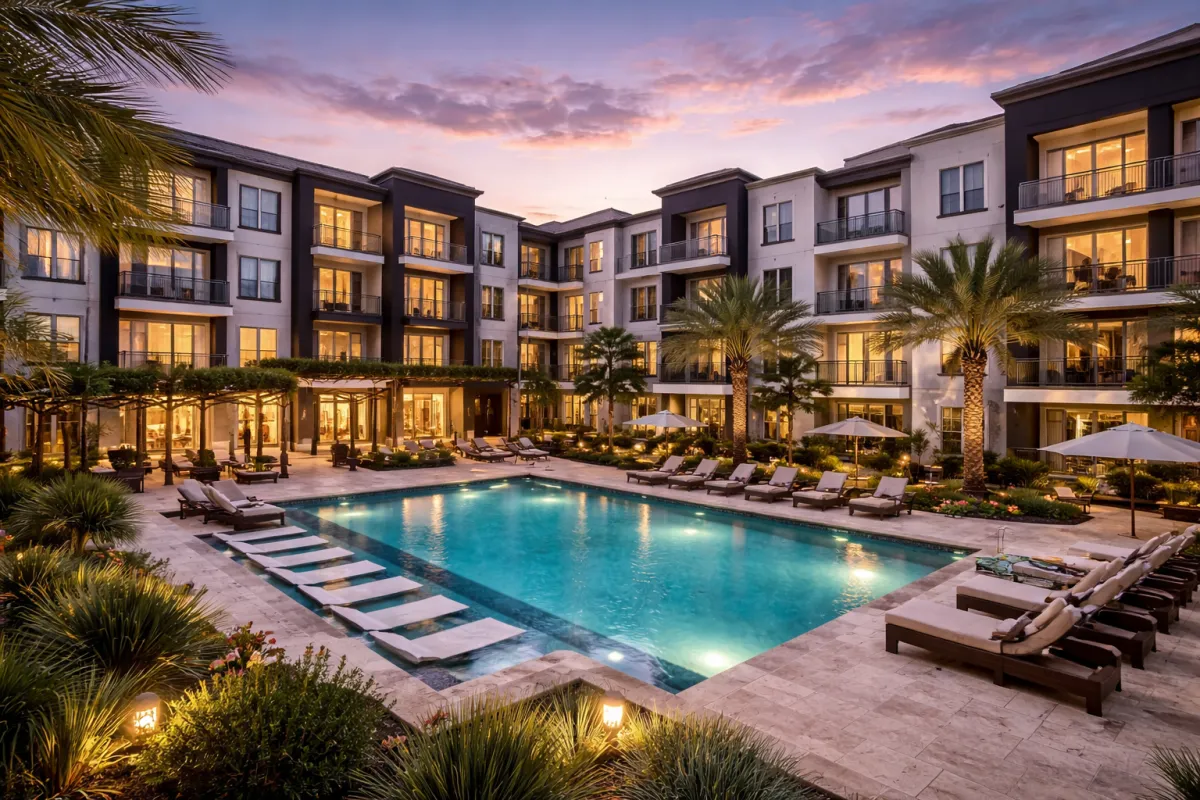
New Construction Launches with Luminis Media real estate videography Houston
Houston builds fast and sells even faster when the story is told well. New construction sales hinge on momentum, clarity, and trust, and video is the lever that moves all three. A clean floor plan on paper helps, but moving images place buyers inside a space before drywall dust settles. Over the last decade working alongside builders and top listing agents across the metro, I have seen the difference between a launch that drifts and a launch that commands attention. Luminis Media real estate videography brings the right kind of attention, the kind that turns site visits into signed contracts.
Why video has outsized impact for new construction
An existing home sells itself on character and imperfections. New construction sells on potential. That demands context. Buyers want to understand proportion, light, and flow, not just finishes. They also want an emotional anchor. A 60 to 90 second film that moves from the street approach to the kitchen triangle, then out to the patio at sunset, does that work far better than any brochure.
Builders get another advantage from video. New homes often release in phases. Each phase needs fresh material, sometimes before the next model is even complete. Luminis Media real estate videography provides footage banks and modular edits so sales teams can keep marketing without waiting for a perfect sunny day or the last punch-list item. When you have an organized library to pull from, marketing never pauses.
The Houston backdrop
Houston’s sprawl makes choices harder for buyers. Cypress, Katy, Richmond, League City, The Heights, each area has its reason. A video that captures a model’s layout, then connects it to a five minute drive to a new elementary school or a weekend coffee stop in a real town square, becomes a decision shortcut. I have seen buyers book flights after a video tour simply because they could visualize a weekday morning, not just a Saturday open house. For out-of-state relocations, this is decisive. For local move-up buyers, it reduces weekend touring fatigue and puts your community at the top of the shortlist.
Houston weather is a character too. Harsh sun at noon will flatten stucco and hide texture. Our team schedules exterior establishing shots at golden hour and sets interior white balance to balance mixed temperatures from LEDs, can lights, and window wash. These details matter when you are selling bright kitchens and high ceilings. Get the look wrong and it becomes sterile. Get it right and the space breathes.
The phased launch checklist that keeps projects on track
- Pre-build planning with mood boards, community positioning, and a shot matrix linked to construction milestones
- Model-home video session scheduled within 72 hours of staging completion, with a hold date for weather
- Amenity and lifestyle capture for the same week, including drone of pool, trails, and nearby retail nodes
- Social-first vertical edits delivered within 3 days, long-form and MLS-friendly cuts within 5 days
- Ongoing update shoots each phase for inventory homes, with a rolling B-roll library tied to your community name and lot numbers
The difference between a calm launch and a scramble is this sequence. We anchor the first content day to staging, not to final sign-offs. Painters can tape a room out while we shoot another. Landscapers can finish the rear bed while we film the primary bath. As long as the kitchen is camera-ready and the main living area is safe to move gear, we can cover 80 percent of the story. That puts your sales team to work a week earlier.
The craft inside Luminis Media real estate videography
Every builder has a signature. We start by building a visual language that respects it. A contemporary infill in the Heights might deserve slower sliders, tight lensing, and clean natural sound from the street. A master-planned community in Fulshear wants scale, movement, and plenty of people in frame. We plan camera motion to match the architecture, not just to show rooms.
We shoot interiors on gimbals with measured, consistent pace. The goal is to mimic the feeling of walking, not to swoop. Fast gimbal work introduces distortion and makes spaces feel smaller. When a staircase wants to sing, we add a single upward move to land the viewer at the loft. Kitchens get a triangle pattern to reveal sink, range, and island relationship. With two story great rooms, we cheat angles to avoid making furniture look undersized, using a 24 or 28 millimeter prime more than a super wide lens that bends lines and misleads.
Drones do heavy lifting in Houston’s horizontal plane. We file airspace authorizations where needed and plan low, lateral passes that show context without causing parallax headaches. High altitude orbits look pretty and say nothing about access. A slow reveal moving along the street and up to the entry tells a buyer what coming home looks like. On windy days, we keep the aircraft below roofline and stabilize in post, rather than forcing a sky-high shot that jitters.
Audio is the quiet edge. Great music drives pacing, but poorly chosen tracks feel like a commercial and push people away. We maintain a licensed catalog and pair tracks to the home’s tempo. For some builds, a light voiceover adds clarity without turning the piece into an ad. A simple line that frames the community, square footage range, and a distinguishing feature can lift conversions. We record voiceovers in a treated space and mix so it sits under, not on top of, the imagery.
Photography and video are not competitors
Photos and film serve different cognitive jobs. Strong imagery gets buyers to click. Video holds attention long enough to form intent. That is why we pair Luminis Media real estate photography with every video package. Our stills team and our videographers plan the day together. Lighting stacks, furniture blocks, and window treatment choices happen once, not twice. It avoids the common problem of a home looking like two different places across media.
Clients ask whether to start with photos only. If you are marketing a spec home during a slow supply month, stills may be enough. If you are announcing a section release, opening a new model, or working in a competitive price band, add film. The ad cost to drive traffic remains the same, but the average watch time you earn per buyer increases. In practice, we see social save rates climb when video is present. That is what nurtures demand through the construction timeline.
Keywords flow naturally because they reflect the service set. Our team is booked as Luminis Media real estate photographer for stills and as Luminis Media property photography when a builder needs model, inventory, and amenities in one shoot day. Agents find us as real estate photography luminis.media or luminis.media real estate photographer. However you arrive, the deliverable is consistent. Bright, accurate color, straight lines, and finishes presented at human height.
Core video formats that convert across platforms
- 60 to 90 second community film with lifestyle, drone, model highlights, and proximity context
- 30 to 45 second vertical cut for Reels and Shorts, optimized for first 3 second hook
- 2 to 3 minute narrated model tour for website and YouTube with chapters
- 10 to 15 second MLS-compliant silent loop to sit inside listing photo carousels
- Timelapse montage for phases or amenities that evolve over weeks, used sparingly
Each format has different technical limits. MLS platforms often strip audio or compress heavily, so we master a clean, lighter version. Instagram favors vertical framing and bold first frames. YouTube rewards retention arcs and clear chaptering. We output multiple aspect ratios from one master to maintain visual continuity. The best way to waste budget is to cut one horizontal video and crop it everywhere. Crops ruin composition and hide cabinet details that buyers care about.
A launch-day film is only the start
A single hero edit gives you a moment. A content system gives you a quarter. We deliver long masters, shorts, room-specific micro-cuts, and B-roll libraries tagged to your community and lot inventory. That means your social manager can post a secondary bedroom clip on Tuesday when a school rating story hits the news, or your sales rep can text a 12 second pantry clip to a prospect who loves storage. It is practical selling fuel, not just marketing.
When the next phase opens, we recycle. New exteriors and landscape growth refresh the open, but interior hero moments rarely need full reshoot. A pantry is a pantry, and if the finish level stays constant, we blend shots and save your timeline. Budgets stretch further when you think modularly.
An honest note on pacing and schedule risk
Construction schedules in Houston move, then stall. City inspections, weather, and supply chain surprises shuffle priorities. We build float into the calendar. Our first shoot day focuses on must-have spaces. Secondary shots get a hold. If a storm is coming, we swap days to capture drone work early. If a city inspector pushes back a utility trench cover, we adjust interior walk lines. It is possible to keep quality high while moving around obstacles, but it requires a team that speaks both construction and production.
Permitting for drone takeoff can add days near airports or heliports. We maintain recurrent Part 107 certifications and keep current facility maps. On sites near the Medical Center or Ellington, we plan earlier. The worst outcome is a forced no-fly day on your ribbon cutting. Planning prevents it.
Case vignette from a west Houston build
A developer in Richmond opened a new section with 42 lots, two models, a small lake, and a trail network. They had excellent architectural product, but their initial launch leaned on still photography alone. Web traffic looked healthy from paid search, yet in-person tours lagged. We proposed a film-led relaunch.
We scripted a 75 second community film that opened with a sunrise drone pass across the lake, then a quick car arrival to the model. Sound design picked up cicadas and faint pool chatter. Interiors moved room to room with a measured pace, no lens gymnastics. On the second day, we captured a family on bikes using talent release and careful framing to respect privacy.
Results were realistic, not viral myth. Their average on-site session time increased by roughly 30 to 40 percent on pages with the film. Social save rates doubled on Instagram where the 30 second vertical cut ran as a boosted post to a zip code radius. Appointment requests rose enough to justify a second spend. The developer did not change incentives, just presentation. That is the pattern I see most often.
What buyers actually watch
Buyers skim the first five seconds for a reason to stay. We do not waste that moment on a long logo animation. A quick exterior reveal, a strong kitchen feature, then a return to the exterior creates a loop that platforms reward. Somewhere around the 20 second mark, we present hard facts in on-screen text. Square footage range, beds, lot width, and a single differentiator like a three car tandem garage. This anchors expectations without feeling like a spec sheet.
Sound tracks get attention only when they are wrong. If a track feels too corporate or too intense, viewers leave. We prefer modern, light percussion with warm midrange. On videos that feature voice, we compress lightly and roll off low end to read well on phones. None of this is academic. It is the difference between a 17 percent and 30 percent completion rate.
Integrating Luminis Media real estate photography for consistency
Stills and video are captured under the same light decisions. If we flag interior cans to avoid mixed color temperatures on film, we keep that for the stills. Window pulls are exposed to show landscaping, not to create HDR halos. Our editing pipeline matches white balance across media so your MLS gallery, property page, and ads all look like one home. You would be surprised how many builders run three looks at once. It breaks trust subconsciously.
Clients who find us via luminis.media real estate photos or real estate photos luminis.media often start with a photo set of 25 to 60 images, then add video when they see engagement gains on the first listing. We price bundles to make that step easy. The value is higher when we shoot both. Gear, staging, and human energy compound.
Listing distribution and the format trap
Houston Association of Realtors systems have their own rules. You can attach a virtual tour link easily, but auto-play behavior and compression vary. Zillow and Realtor.com compress more than YouTube. Instagram has a different shelf life and discovery curve. We build for each platform rather than forcing one master everywhere. Videos with on-screen text that repeats agent phone numbers can get flagged on certain ad placements, so we keep contact information in captions and end slates, not as baked text, when running paid media.
MLS silent loops are useful but not persuasive. Treat them as a gallery enhancer, not a primary pitch. The real persuasion happens on social and on your community page where you control the frame and autoplay behavior. On your site, host on a fast player with adaptive bitrate. Buffering kills interest.
Measurement that matters
Views do not sell homes. Contextual watch time does. We measure average watch time and retention drop-offs by scene. If people leave during the amenity section, the issue might be pacing or imagery. If they leave at the kitchen, you either oversold the exterior or the music shift felt wrong. We tag links with UTM parameters to attribute appointment-booking pages back to specific Luminis Media realty photography edits. For communities running paid media, we look at view-through conversions, not just click-through. Many buyers will watch then search the brand name later.
For social, saves and shares correlate more with scheduled tours than comments do. On YouTube, an engaged viewer who watches past 50 percent of a three minute tour is worth following up with a remarketing audience. These are not vanity moves. They help you spend on the pieces that drive foot traffic.
Working clean on active sites
Safety, respect for trades, and speed sit at the center of productive film days. Our crew checks in with the superintendent and keeps a moving footprint. If flooring is curing, we adjust shot order. If the painter is finishing a door, we leave it. I have learned that a respectful crew builds goodwill that gets you access when you need a last-minute amenity pickup at 7 a.m. Also, be realistic about power and noise. Compressors and leaf blowers will intrude, so we plan audio capture when the site is calm and schedule dialogue or ambient sound at the start and end of the day.
For aerial work, we brief crews and neighbors when necessary. Even with authorization, you want people to feel considered. If a neighbor’s pool party is in frame, we wait. Privacy and tone matter if you want to build a community, not just sell a house.
The practical gear and look
We carry cinema bodies that handle high dynamic range and tricky mixed light. Lenses lean toward natural perspectives, with occasional specialty glass for detail work. Stabilization stays subtle. Color is graded to preserve warm woods and neutral paints, not to create an over-stylized look that dates fast. That way, footage from phase one still matches phase three, even as landscaping matures.
For stills, we default to natural light with fill flash as needed, layered carefully so specular highlights on tile and stone do not look painted. We bracket exposures only when required. Many interiors need a single balanced frame more than a multi-layer composite that looks unreal. The goal of Luminis Media real estate photos is reality enhanced, not fantasy.
File delivery, naming, and rights
Organization saves headaches six months later when marketing needs that fireplace clip again. We name everything by community, builder, model, and room. Files are delivered via a folder structure that makes human sense. 4K masters sit in one place, social crops in another. Stills arrive in MLS resolution and print-ready resolution, with consistent color profiles. Our license grants marketing use across web, paid social, print, and MLS. If a national campaign emerges later, we scale rights transparently. Music licenses are cleared for your distribution plan. No one needs a takedown at the peak of your ad flight.
What it costs and where ROI lives
Budgets vary by scope, but one full film day with photo integration often equals the cost of a single full-page print ad run and usually beats it on performance by a wide margin. The real economy appears across phases. First, you capture a hero community film and model tour. Then you add inventory micro-cuts as homes finish. You will reuse amenities footage for months. When you account for that, cost per appointment declines sharply.
ROI shows up in lead quality as much as volume. Sales teams report more pre-qualified conversations because the video clarifies layout and features ahead of the visit. Prospects ask sharper questions. If you have ever staffed a model on a hot Saturday in July, you know that fewer, better conversations carry real value.
Avoiding common mistakes
Launches stumble when teams rush to post a teaser before the model is camera-ready. People remember their first impression. Wait the extra day to steam linens, hide extension cords, and stage a coffee setup that looks like someone lives there. Another common miss is over-tight cutting. A home needs three to five seconds per room minimum so buyers can parse what they are seeing. Quick cuts feel modern but leave no memory.
On the technical side, mixing color temperatures without intent creates chaos. If under-cabinet LEDs cast blue and overhead cans run warm, pick one to hero and dim the other. Finally, resist the urge to narrate every feature. One thoughtful line reads as helpful. A paragraph reads as hard sell.
Where photography earns its keep
Property photography Luminis Media sessions capture the bones that video cannot dwell on. Detail shots of trim, grout lines, hinge quality, and cabinet box construction justify premium pricing even when floor plans look similar across competitors. For builder clients who need multiple floor plans covered in a single morning, we design a route, prioritize natural light windows, and shoot in a sequence that minimizes room turnover time. Real estate photographer Luminis Media crews carry staging kits for small fixes, but we are candid about what photography cannot solve. A space without adequate furnishings may look cold in stills. In those cases, we lean more heavily on film to show flow rather than linger on vacant corners.
Buyers search in varied ways. Some land on your page from luminis.media property photography galleries and stay for the tour. Others search real estate videography luminis.media, find a showpiece film, then click through to the gallery. Both paths can lead to a visit. That is why consistent imagery across media matters.
A partner for the long arc, not just the ribbon
A new construction launch carries more moving parts than a listing for a resale home. It demands a creative team that understands model-home logistics, superintendent realities, Houston’s permitting and weather quirks, and the way buyers actually consume content. Luminis Media listing photography and Luminis Media real estate videography work as one system. When photos and film speak the same language, your community feels coherent from the first ad impression to the closing table.
If your next phase or model is approaching, now is the time to plan. Pull the site plan, prioritize the floor plans that represent your core buyers, and build a light, efficient production calendar. With the right visuals, your sales team will spend less time explaining and more time guiding people to a home that fits. That is the work worth doing, and it starts with a camera, a plan, and respect for the buyer’s eye.